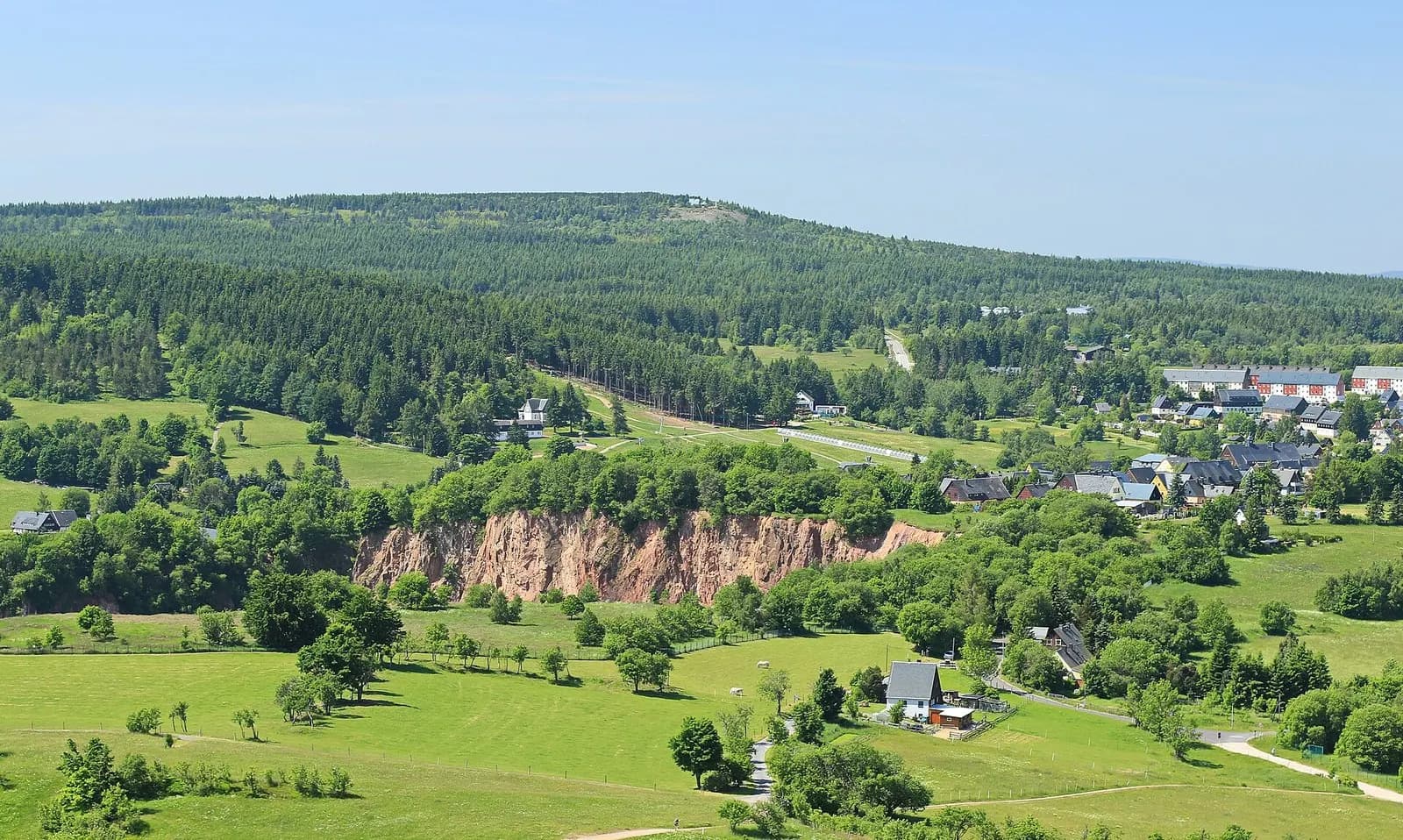
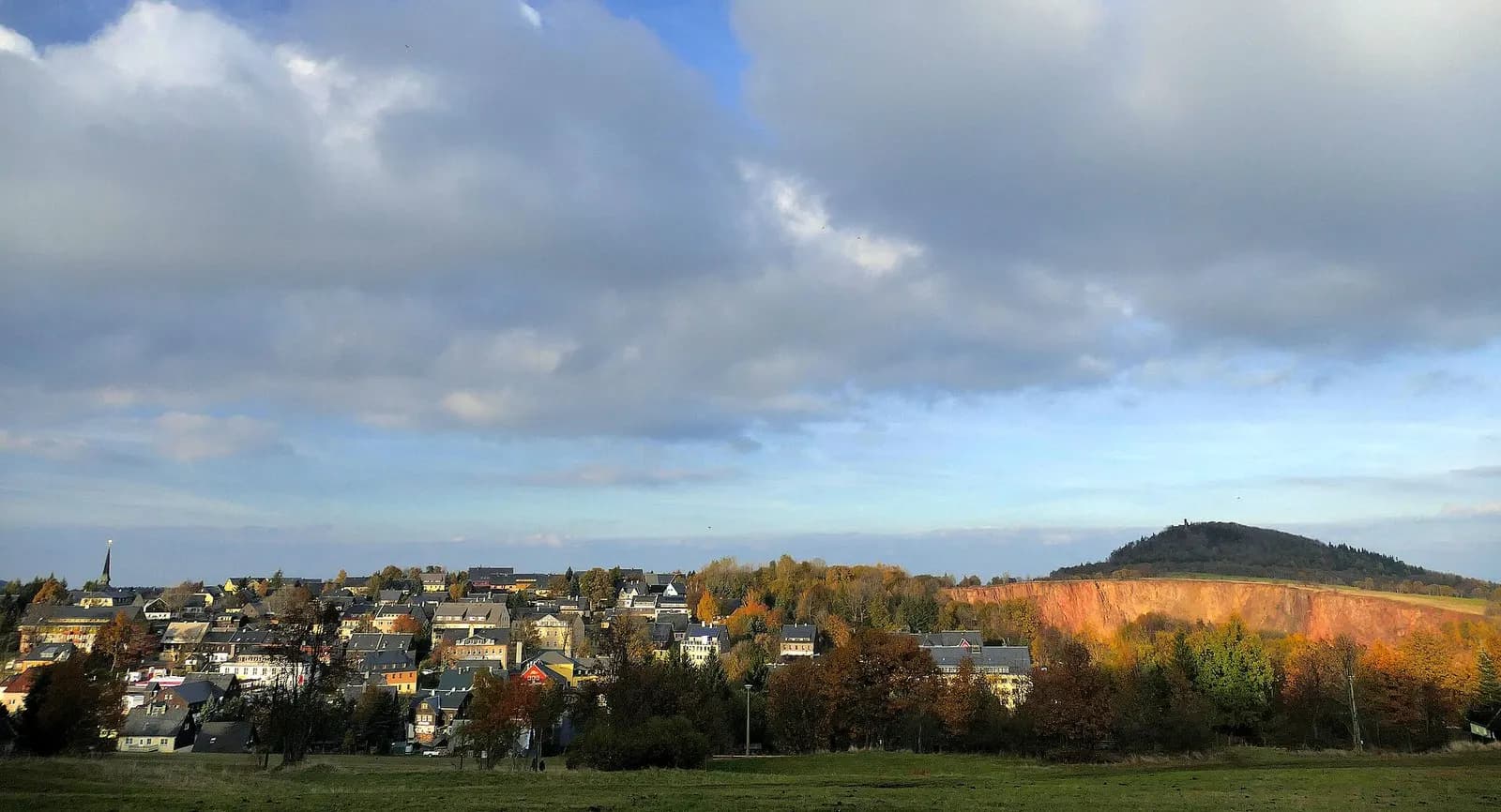
Mushroom and Berry Picking in the Eastern Ore Mountains: Rules, Season and Mushroom Checks
Porcini in the spruce woods, bilberries along the path: people in the Eastern Ore Mountains have always foraged. What's allowed, where to keep your hands off, and who checks your basket before it goes in the pan.
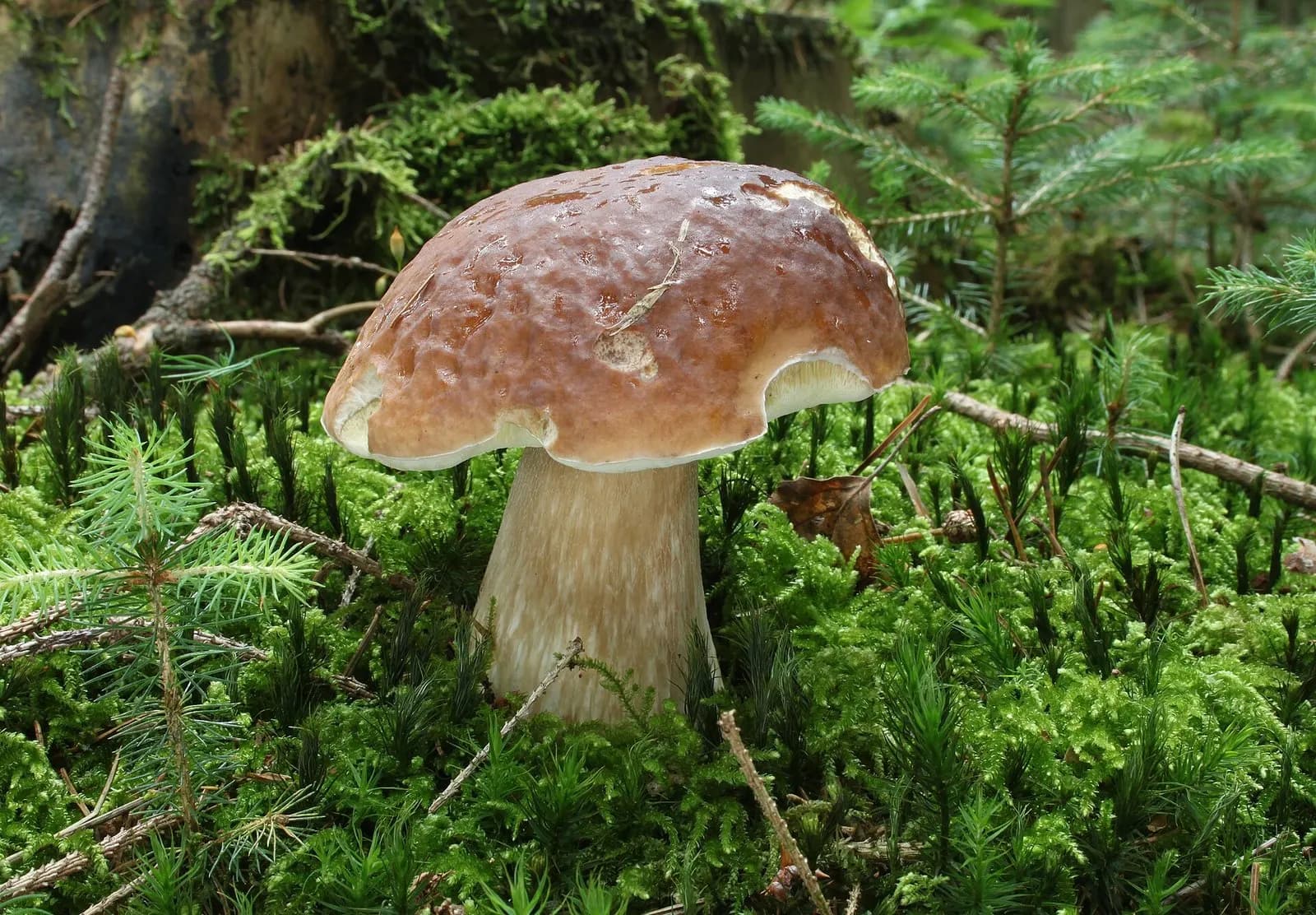
In the Eastern Ore Mountains (Osterzgebirge), mushrooms belong in the kitchen as much as potatoes do. Schwammebrieh, a local mushroom soup, appears on many family tables in autumn, and in good years the Saxon state forestry service Sachsenforst complains about blocked forest entrances. If you're on holiday with us and want to join in, go ahead. But there are rules not everyone knows, and look-alikes that are particularly common in the acidic spruce forests along the ridge. Here's what to know before you set off with your basket.
What is allowed in Saxony?
Picking for your own use
In Saxony you may gather mushrooms, berries and other forest produce in the woods, but strictly for your own use. That is how Sachsenforst puts it. The law sets no limit in kilograms; what is meant is a small amount that you will eat yourself. Organised collecting, for example to sell, requires the forest owner's permission.
Protected species
Many fungi are specially protected under Germany's Federal Species Protection Ordinance. A few popular edible species are exempt: porcini (Steinpilz), chanterelles, birch and orange birch boletes, morels, pig's ear and the weeping milk cap (Brätling) may be taken in small quantities for your own use. You may not sell them. Any other protected species stays in the forest, however tempting it looks.
Where picking is banned
- Nature reserves. There are many around Altenberg and Dippoldiswalde, such as the Geisingberg, the Georgenfeld raised bog, Am Galgenteich, the Weißeritz valley slopes and the Rabenauer Grund. The Geisingberg regulation explicitly prohibits removing plants and walking off the paths, and other reserves have similar rules. An overview of the protected areas is provided by the conservation group Grüne Liga Osterzgebirge (in German).
- Closed forest areas, logging sites, young plantations and fenced plots.
- Private land and meadows outside the forest, unless the owner agrees.
The car is part of the rules too: you may not drive on forest tracks without a special permit, and forest entrances must be kept clear. Sachsenforst checks this especially during mushroom season, because fire engines and timber lorries need those tracks. Park in designated car parks.
Season calendar: what grows when
Take this as a rough guide. Altenberg lies at about 750 metres, Dippoldiswalde at about 350. Up on the ridge everything starts a week or two later, and after a dry summer the season can almost fail. Rain is what matters: a few days after a warm, soaking rain, it's worth heading into the woods.
| Month | Mushrooms (typical species) | Berries |
|---|---|---|
| July | first chanterelles and birch boletes | bilberries, wild strawberries, raspberries |
| August | chanterelles, porcini, orange birch boletes | bilberries (peak on the ridge), raspberries, first lingonberries |
| September | main season: porcini, bay boletes, birch boletes | lingonberries, rowan berries (cooked only) |
| October | bay boletes, honey fungus, late porcini | lingonberries on the ridge |
| November | little left after the first frosts | – |
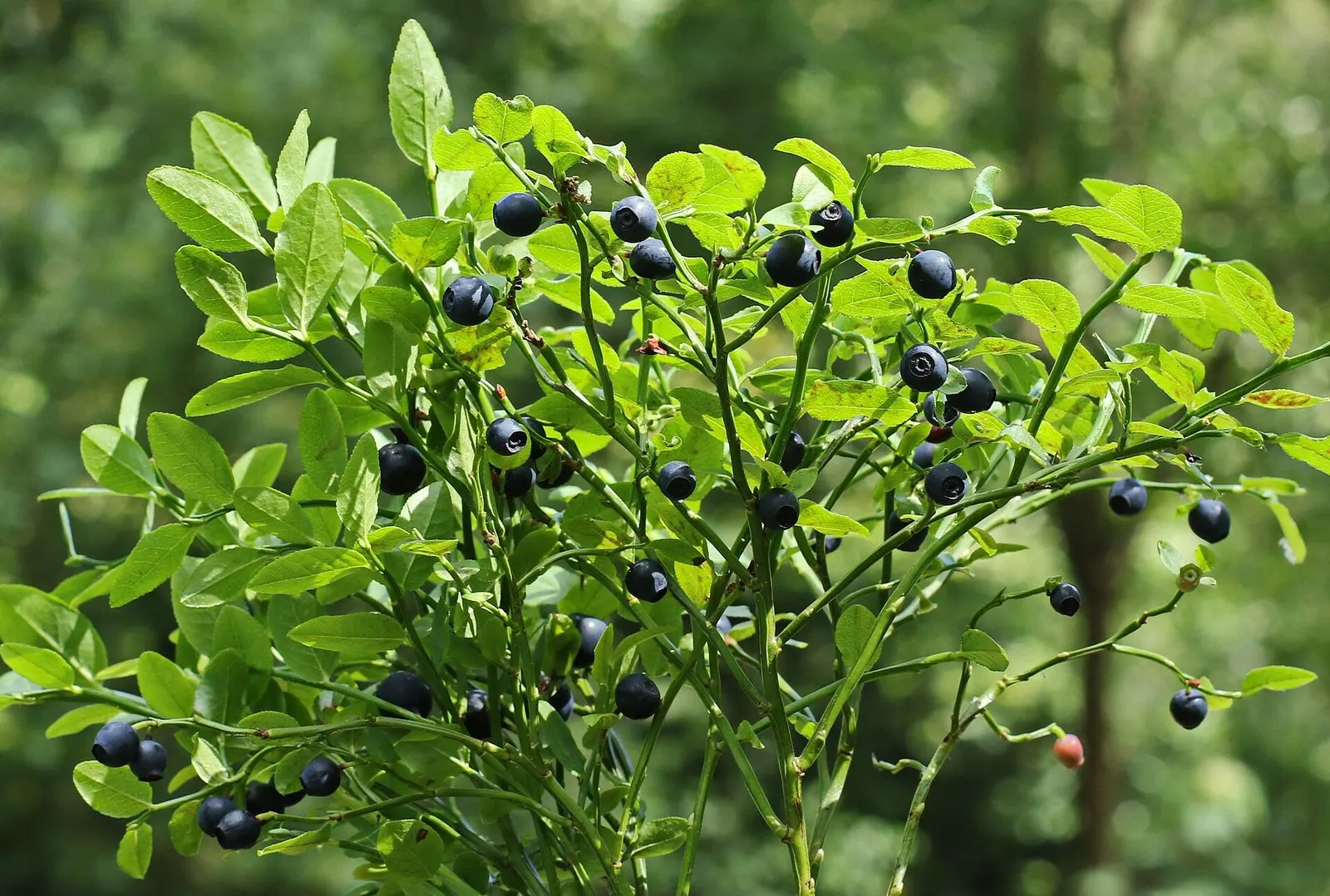
Bilberries (European blueberries) grow abundantly in the Eastern Ore Mountains in open spruce woods and along forest edges. The same rules apply as for mushrooms: personal use only, not in protected areas, and please no berry combs, which damage the plants. Wash berries picked close to the ground thoroughly before eating.
Dangerous look-alikes
We deliberately don't describe identification features here. What matters is knowing that our forests have look-alikes:
- Bitter bolete instead of porcini: it likes coniferous forest on acidic soil and looks very much like a young porcini. It is bitter enough to ruin a whole dish, and mildly poisonous too.
- Deadly webcap (Spitzgebuckelter Raukopf): it grows in damp, acidic spruce forests with peat moss, exactly where the ridge has plenty of mushrooms. It is deadly, and kidney damage often only shows days later.
- Death caps and destroying angels: they cause most fatal mushroom poisonings in Central Europe. First symptoms often appear only many hours after the meal.
Apps and photos from the internet are no substitute for a person who holds the mushroom in their hand.
Mushroom checks: have your basket inspected
The district of Sächsische Schweiz-Osterzgebirge has volunteer mushroom experts (Pilzsachverständige), some of them in Dippoldiswalde and its villages. The district publishes a list of advice points each season. Nationwide, you can find certified experts through the search of the German Mycological Society (DGfM).
A special address is the mushroom museum (Pilzkabinett) in Reinhardtsgrimma, part of Glashütte, a good ten minutes' drive from Dippoldiswalde and just under half an hour from Altenberg. It displays more than 3,500 mushroom models of over 700 species. From April to November it opens on Sundays and public holidays, and offers mushroom advice and basket checks by telephone appointment. Contact details and times are on the Reinhardtsgrimma mushroom museum website.
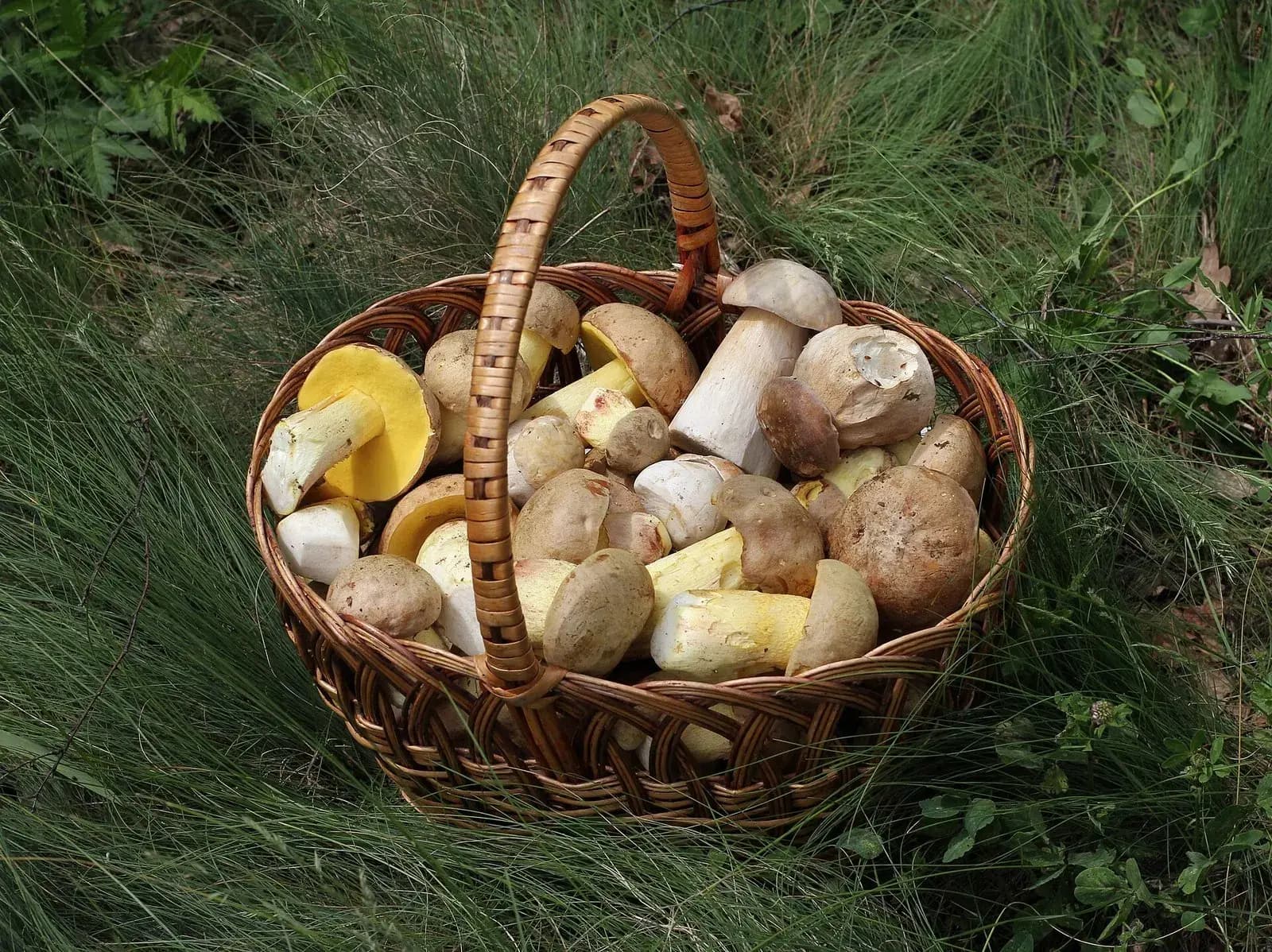
How to bring your finds for a check:
- Twist mushrooms out whole or cut them low so the base of the stem stays intact.
- Carry them in an airy basket, not a plastic bag.
- Keep unknown species separate from ones you know.
- Take them for checking the same day; don't clean or slice anything beforehand.
What to do if you suspect mushroom poisoning
- If someone is drowsy or unconscious, has trouble breathing or circulatory problems, call 112 immediately.
- Otherwise call the Erfurt poison centre, which covers Saxony: +49 361 730730, 24 hours a day. More information is on the website of the Erfurt poison information centre (in German).
- Keep leftover mushrooms, peelings and vomit. They help with identification.
- No home remedies: no salt water, no milk, don't induce vomiting.
- Even if you feel better after a few hours: with some poisonous species the dangerous phase comes later. Get a medical examination.
Cooking in your holiday apartment
Mushrooms spoil quickly. Clean and cook them on the day you pick them, cook them through, and don't keep leftovers for long. What the local cuisine makes of them, from Schwammebrieh to Griene Kließ (potato dumplings) with mushroom sauce, is in our guide to Ore Mountains cuisine.
Staying between forest and frying pan
If you want to cook for yourself, our apartments in Dippoldiswalde are the right choice: two apartments for up to four and up to five guests, each with its own kitchen and washing machine, from €70 per night. The Reinhardtsgrimma mushroom museum is only about nine kilometres away.
Our eight rooms in Altenberg share a kitchen that you are welcome to use. Every room has its own bathroom and toilet, from €70 per night. The spruce forests of the ridge begin at the edge of town.
When an autumn holiday is particularly worthwhile is covered in Best time to visit the Eastern Ore Mountains. If you'd rather hike than forage, you'll find routes in Hiking around Altenberg. Book directly with us by phone or WhatsApp: +49 1514 1213283 or +49 1525 1644356.
Frequently asked questions
How many mushrooms may I pick in Saxony?
Saxon law sets no fixed weight limit. You may take a small quantity for your own use, meaning what you will eat yourself soon. Leaving the forest with several baskets, or selling mushrooms, goes beyond that.
Can I pick mushrooms in a nature reserve?
As a rule, no. The regulations for the nature reserves in the Eastern Ore Mountains usually ban removing plants and leaving the paths. That applies, for example, on the Geisingberg and in the Georgenfeld raised bog.
Does a mushroom check cost anything?
The district's mushroom experts generally advise on a voluntary basis. Call ahead to arrange a time. Whether a fee or donation is expected is best asked directly at the advice point.